What causes kennel cough?
“Kennel cough” is the common name for canine infectious respiratory disease. It is not one single infection. Several viruses and bacteria can be involved, including Bordetella bronchiseptica, canine parainfluenza virus and canine adenovirus type 2.
Infection can spread through close dog-to-dog contact, droplets released by coughing or sneezing, and shared items such as water bowls. An infected dog can also leave respiratory discharge in the surrounding environment.
Where can a dog catch it?
A hotel, boarding facility, daycare or kennel can be a place of exposure because dogs share space. However, those are not the only places. Dogs can also be exposed at:
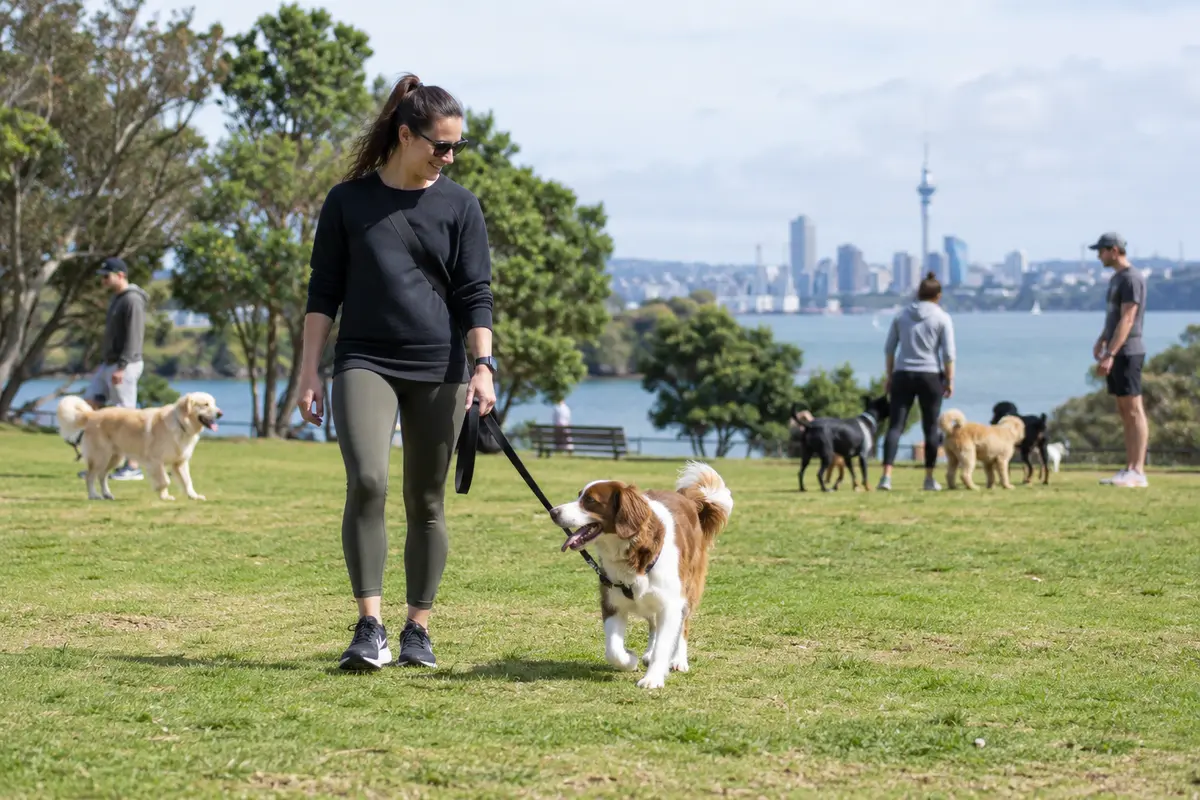
- parks, beaches and walking areas
- training classes and dog clubs
- dog shows, pet shops and veterinary waiting areas
- any other place where they meet, sniff, play with or drink near other dogs
The name “kennel cough” can therefore be misleading. The risk comes from contact between dogs and respiratory organisms, not simply from being inside a kennel.
If your dog is vaccinated.
Vaccination helps protect against several important causes of canine cough and may reduce the chance or severity of illness. It does not cover every virus or bacterium that can cause respiratory disease, so a vaccinated dog can still develop a cough.
A vaccinated dog that is coughing or otherwise unwell must still stay away from other dogs and should be discussed with a veterinarian.
If your dog is not vaccinated.
An unvaccinated dog does not have vaccine protection against the organisms covered by those vaccines. Speak with your veterinarian about the vaccinations appropriate for your dog and allow time for protection to develop before boarding or joining group care.
Dog Hotel requires vaccination information before accepting a stay. If the record is missing, expired or unclear, send it to us before arrival so we can confirm the next step.
What to do if your dog is coughing.
Contact us before bringing your dog in if they are coughing, sneezing more than usual, have nasal discharge, seem flat, or have recently been around a coughing dog. We may ask you to delay the assessment or stay.
Contact your veterinarian promptly if your dog has difficulty breathing, is not eating or drinking, is unusually quiet, or the cough is severe or worsening. Puppies, older dogs and dogs with other health problems can be at greater risk of complications.
Shared care only works when owners tell us about possible illness early.
A veterinarian explains kennel cough.
This external video provides general education. Your veterinarian’s advice and Dog Hotel’s current health requirements take priority.
Sources.
This page was checked against guidance from the New Zealand Veterinary Association, the MSD Veterinary Manual and Cornell University College of Veterinary Medicine.